-
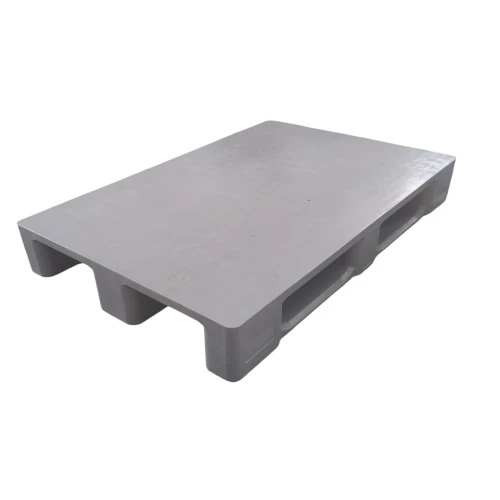
05-06-2026 H1 hygienic pallet in food industry: requirements and certificates
The H1 pallet is a standardised 1200×800 mm hygienic pallet with a full, smooth deck, approved for food contact. It is washable, moisture-resistant and meets the needs of the food, meat and pharmaceutical sectors.
-
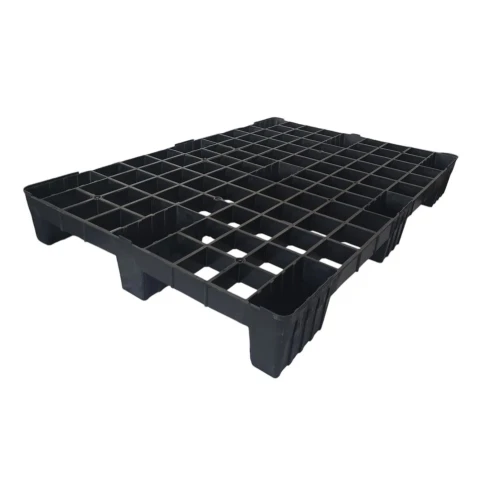
05-06-2026 Pallet load capacity: static, dynamic and racking
A pallet has three different load capacities: static (resting on the ground), dynamic (moved by a forklift) and racking (on a beam rack). Racking is always the lowest — and it governs safe storage.
-
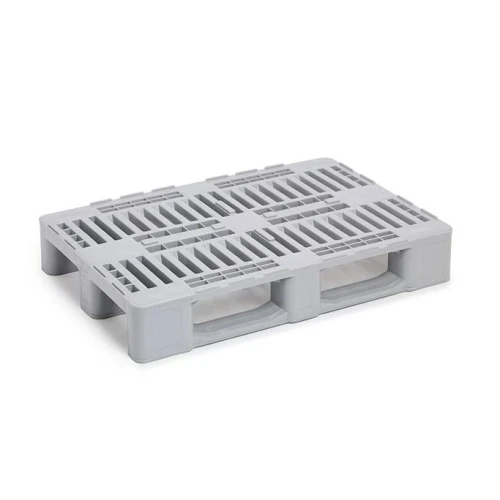
05-06-2026 Plastic pallets and ISPM-15: export without fumigation
Plastic pallets are not subject to ISPM-15 — the standard applies only to wood packaging. Exporting on HDPE pallets needs no fumigation, drying or IPPC mark.
-
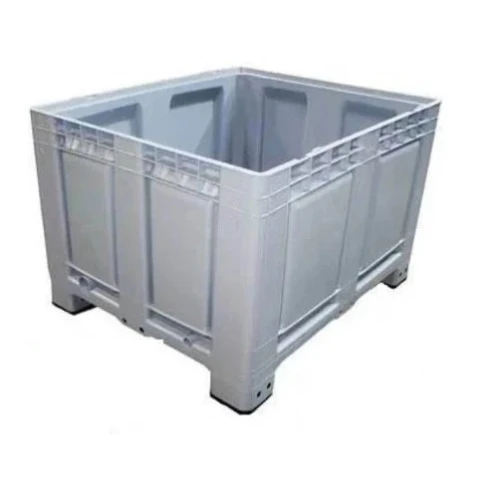
04-06-2026 Collapsible or rigid box pallet? When it pays off
Choose a collapsible box pallet when return transport and empty storage matter — folded it takes up to 70% less space. Choose a rigid one for heavy loads and constant internal flow, where maximum stiffness and capacity count.
-
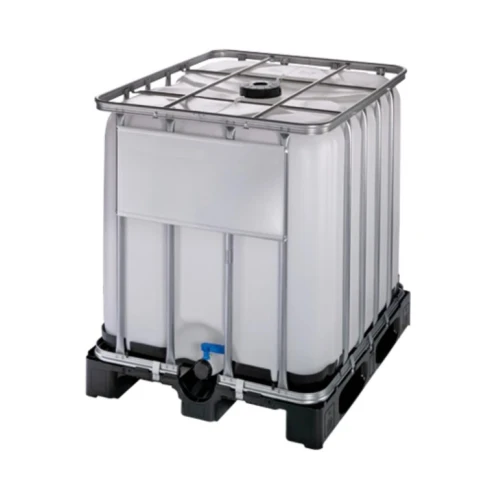
04-06-2026 New, reconditioned or used IBC — which to choose?
Choose a new IBC for food, drinking water and demanding chemicals (full hygiene, certificate). A reconditioned one (new bottle in a used cage) is a price–quality compromise for technical use. A used (washed) IBC is cheapest — for technical water, rainwater and non-food.
-

04-06-2026 How to choose a spill pallet? Sump capacity, rules and types
A spill pallet sump should hold at least 10% of the total volume of all stored containers or 100% of the largest one — whichever is greater. Below we explain how to choose a spill pallet for drums, IBCs and jerrycans, and which material to pick.
-
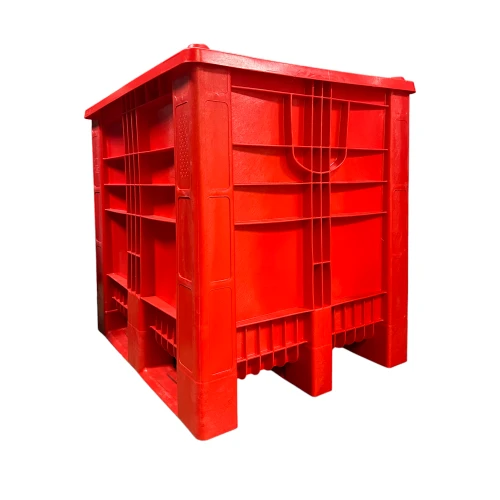
02-06-2026 Plastic box pallet – uses, load capacity, foldable versions
A plastic box pallet is a large HDPE transport container on an integrated pallet, combining pallet and box functions. It comes solid or ventilated, in fixed and foldable versions, usually in 1200 × 1000 and 1200 × 800 mm sizes.
-
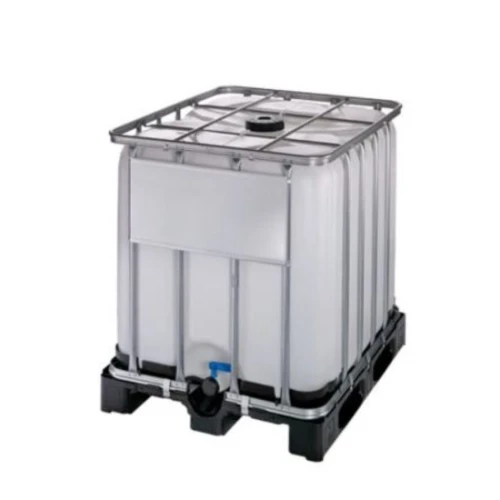
02-06-2026 IBC container 1000 l – construction, certificates, new or used
An IBC container (Mauser) is a 1000 l HDPE bottle in a steel cage on a pallet, for transporting and storing liquids. When choosing, look at the certificate (food, UN for ADR), condition (new / reconditioned / used) and pallet type (steel, plastic, wood).
-
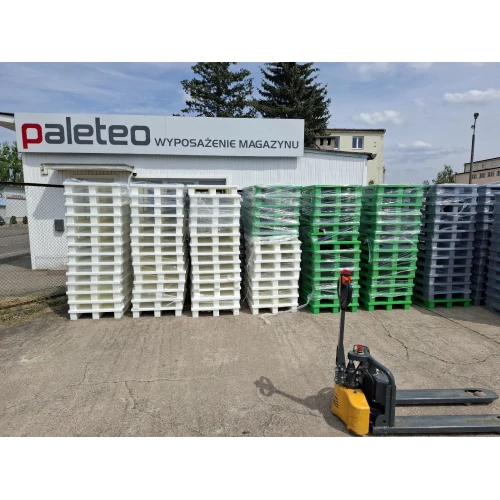
02-06-2026 Pallet dimensions – EUR, 1200x800 and 1200x1000 mm standards
A standard EUR pallet measures 1200 × 800 mm, while the industrial pallet is 1200 × 1000 mm. A typical pallet is about 144 mm high, and the common modular container sizes (600×400, 400×300 mm) derive from these standards.
-
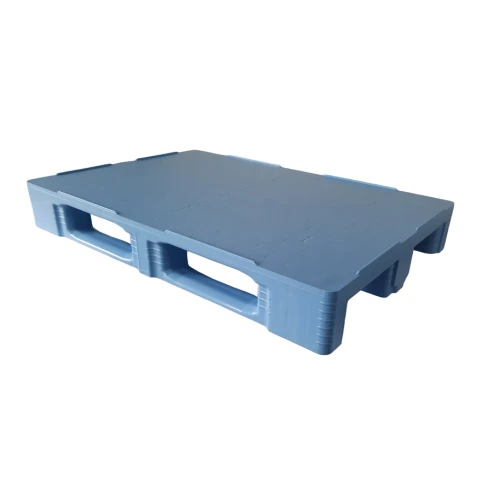
02-06-2026 Plastic or Wooden Pallets? A Comparison for Businesses (Cost, Hygiene, Export)
Plastic pallets are more durable, more hygienic and cheaper per life cycle than wooden ones, and they require no fumigation for export (ISPM 15 standard). Wooden pallets win on lower purchase price and higher single-unit load capacity for extreme loads. The choice depends on whether you count the cost of a single purchase or the total cost of ownership (TCO) in a closed loop.

×