
Plastic pallets are an excellent solution for modern logistical needs.
Published on: 02-04-2024
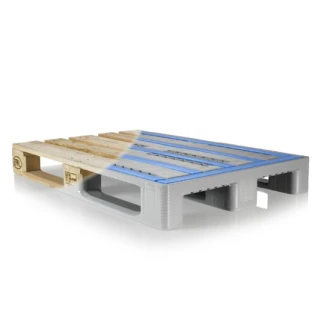
- Durability and strength: one of the key advantages of plastic pallets is their high durability and strength. Unlike wooden pallets, plastic pallets are resistant to weather, moisture and mechanical damage. As a result, they can be used repeatedly, which translates into long-term savings for the company.
- Hygiene and safety: plastic pallets are easier to clean than their wooden counterparts. In addition, they do not absorb liquids, which reduces the risk of spreading bacteria and fungi. This makes them ideal for food and pharmaceutical industries, where maintaining high hygiene standards is a priority.
- Lightweight: plastic pallets are typically lighter than wooden pallets, making them easier to handle and transport. Less weight also translates into reduced transportation costs, both internally and externally.
- Pest resistance: unlike wooden pallets, plastic pallets do not provide an attractive environment for pests such as rats or insects. This eliminates the risks associated with transporting and storing goods contaminated or damaged by these pests.
- Recyclability: at the end of their useful life, plastic pallets can be recycled, which contributes to reducing the negative impact on the environment. The use of recycled materials from plastic pallets can have a positive impact on sustainability and waste reduction.
- Customization: plastic pallets can be tailored to meet specific customer needs by changing the size, shape and adding additional elements such as anti-slip pads or stabilizing blocks. This can optimize logistics and storage processes, minimizing the risk of damage to goods and increasing transport efficiency.
Plastic pallets offer:
plastic pallets
Other articles
-

24-11-2026 Which parking grid should you choose? Load capacity, dimensions and pieces per m²: table
A parking grid is chosen primarily by the load it has to carry: for foot traffic and gardens, grids with a load capacity of approx. 150 t/m² (2.5–3 cm high) are sufficient; for driveways and car parks for passenger cars – 250–350 t/m² (4 cm high); for heavy traffic and the highest axle loads – 450 t/m² grids or 5 cm high models. Depending on the format, you need 2 to 7 grids per m² – the most popular 50 × 50 cm format means 4 pieces per m².
-

17-11-2026 How much does a pallet weigh? Euro, plastic and H1 pallet weights: table
A wooden EPAL Euro pallet measuring 1200 × 800 mm weighs approximately 25 kg. A plastic pallet of the same size weighs, depending on its design, from approx. 4.5 kg (a lightweight open-deck export pallet) to approx. 20 kg (closed-deck, reinforced). A hygienic H1 pallet 120 × 80 weighs 18 kg, and 120 × 100 plastic pallets weigh from approx. 6.5 to 23 kg.
-

10-11-2026 IBC tank in winter: how to protect an IBC container from frost
In winter, an IBC tank (1000 l IBC tote) must above all be protected against its contents freezing – water expands by about 9% when it turns to ice, which can crack the drain valve and damage the bottle. An IBC used for rainwater is best emptied before the frosts. An IBC holding process liquids should be stored in a heated building or wrapped in a thermal insulation jacket and – at sub-zero temperatures – a heating jacket with a thermostat.